Nyusu Inobeshon
Even in modern industrial laundries, many routines and processes are still heavy, dirty, and potentially dangerous. Especially repetitive tasks often result in employees making mistakes; some of which can be extremely costly. Fortunately, the industry’s leaders recently focused on the development of new solutions such as robots, artificial intelligence and data management.
Sorting soiled garments is one of the routine tasks where the use of advanced technologies can reduce human interaction to an absolute minimum.
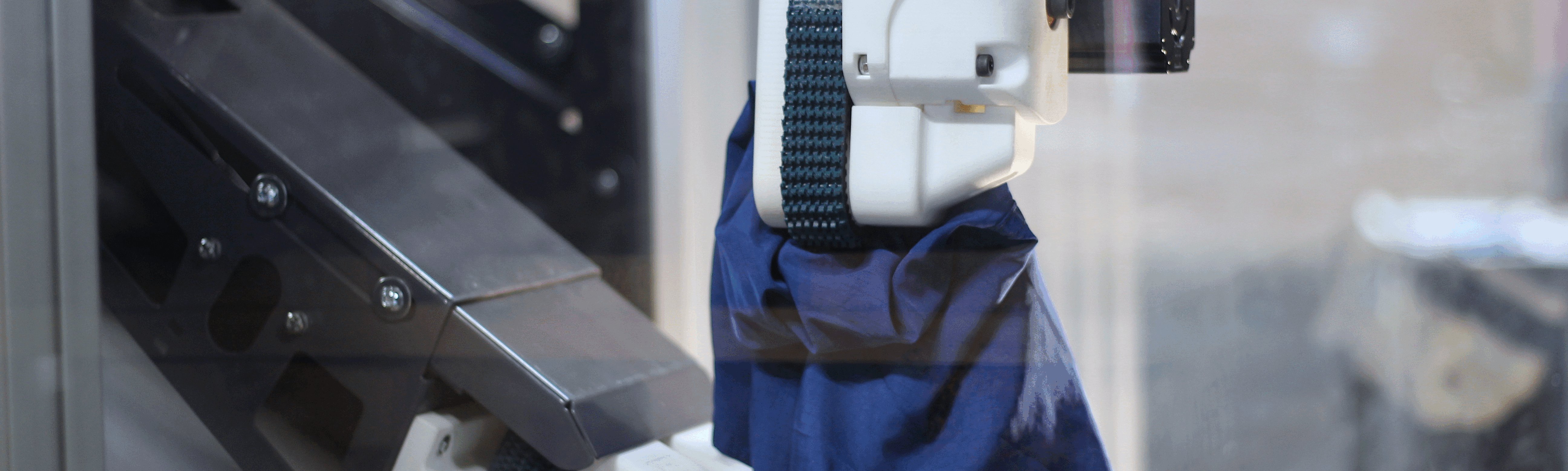
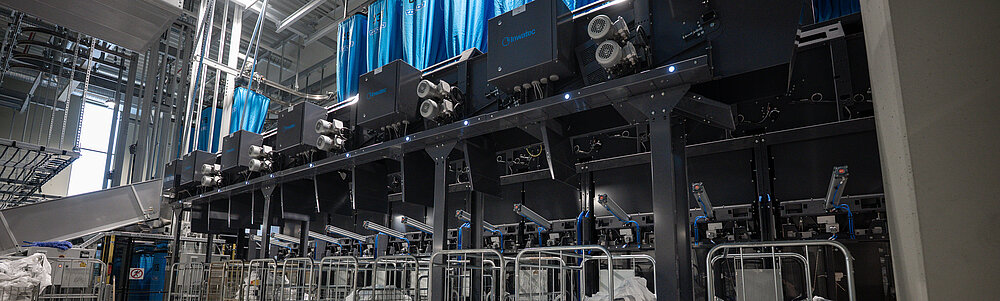
Robots pick up the individual laundry pieces from conveyor belts and transport them to RFID chip readers to identify and register each garment. Directly after that, an X-ray scanner automatically detects unwanted hidden objects in the pockets and rejects these contaminated garments. Only approved laundry articles are forwarded further to be sorted accordingly by the system.
Today, all these tasks can be performed by only a few operators who have to manually empty the pockets of the rejected garments.
Occupational safety through X-ray technology
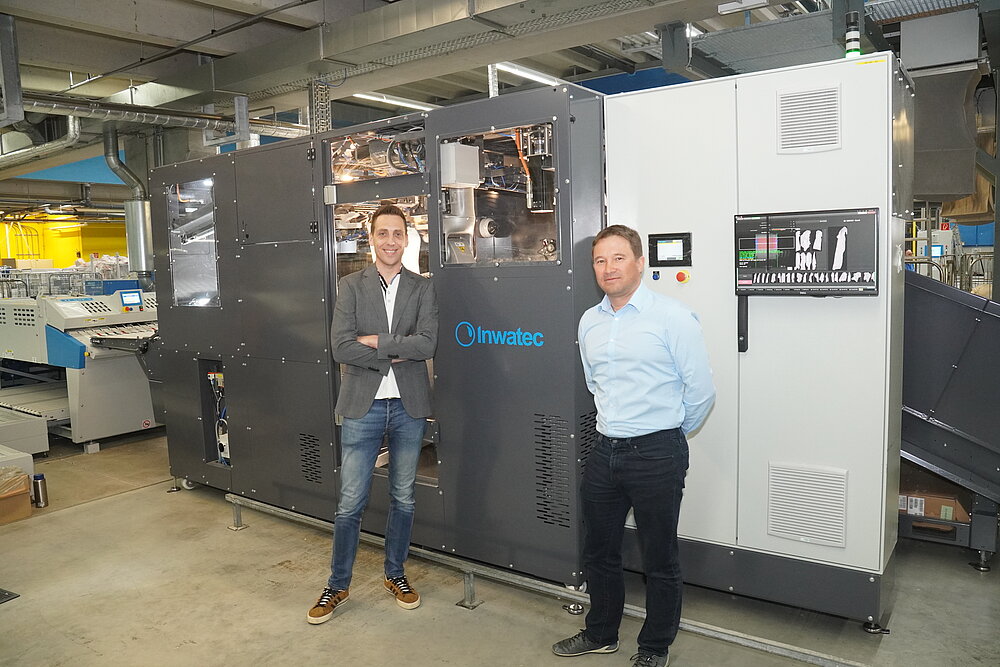
The X-ray scanner also functions perfectly as a stand-alone device: it checks soiled laundry pieces for dangerous foreign items and creates a safe and efficient working environment. With X-ray technology, harmful foreign sharps such as needles, scissors, scalpels, etc. can no longer remain undetected in the pockets.
From human intelligence to artificial intelligence
However, humans are not that easy to replace, as the combination of body and brain is reasonably smart. Robots on the other hand, only do what you tell them to, and that is why building intelligent robots take the best people, you can find. When you have their brains at hand, you can begin working with artificial intelligence, AI.
AI is when you build a computer like a small brain. You teach it by giving it a lot of relevant data with the right solutions. The more patterns the computer can learn, the better. An example are systems based exclusively on visual sorting and mainly used for unmarked garments.
Almost all advances in AI have been made lately when specific input data is used to generate a simple response. If a typical person can do a mental task with less than one second of thought, we can probably automate it now or soon with the help of AI.
With these machines, laundries can perform more demanding and specialized tasks, where robots perform recurring tasks while human operators can take care of customer-related tasks.
The laundry industry is entering a new era in which technology can take over most production processes without human interaction. Together with our partner Inwatec, the JENSEN-GROUP is once again shaping the future of the laundry industry. These latest innovations in robotics and artificial intelligence increase the IQ and productivity in laundries.
 8月 2026
 今回の完全子会社化は、産業用ランドリー業界におけるロボティクス、オートメーション、AIの発展を推進してきた両社の成功したパートナーシップにおける、新たな章の始まりとなります。
 8月 2026
 2026年上半期は、世界中のランドリー事業者がJENSEN-GROUPに寄せる変わらぬ信頼を改めて示す結果となりました。上半期の売上高は前年同期比20.2%増の3億1,620万ユーロとなりました。また、上半期の受注高は2億7,920万ユーロとなり、引き続き高い水準を維持しました。市場環境が一段と厳しさを増す中にあっても、生産性と競争力を高…
 7月 2026
 最先端のランドリーテクノロジー、継続的な設備投資、そして明確な将来ビジョンをもとに、オーストリア・チロル州の STIMPFL TEXTILE CARE GmbH…
 6月 2026
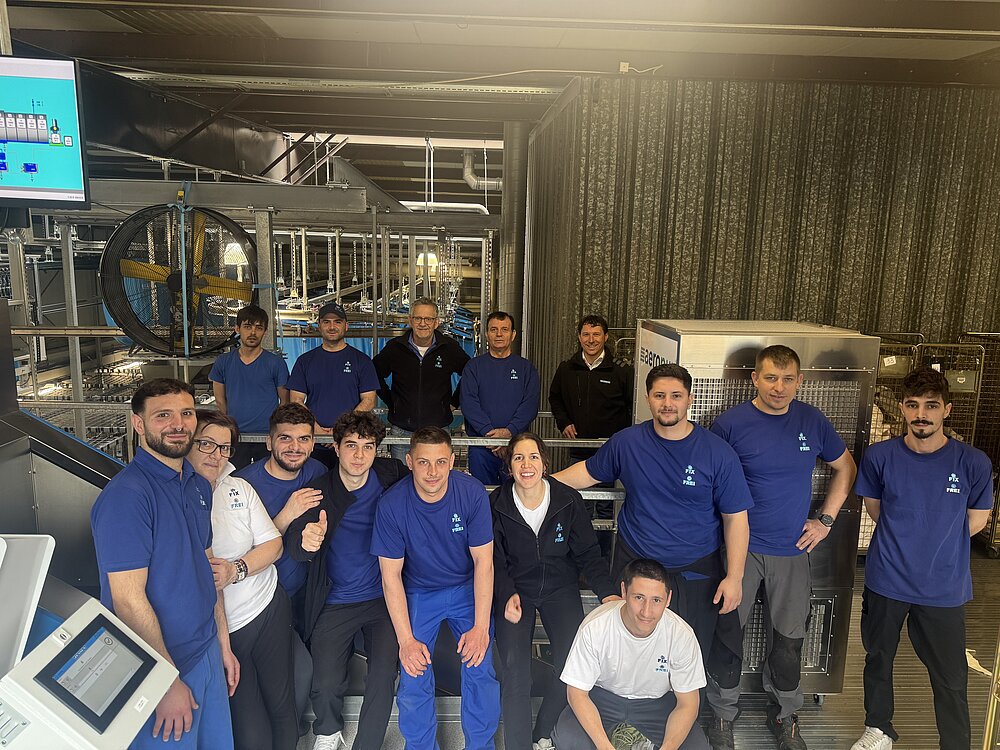
 リヒテンシュタイン公国の中心部、アルプスと国際的に結びついた経済圏の間に位置するBalzersのFIX AGは、WallisellenのTextil-Service FREI…
 6月 2026
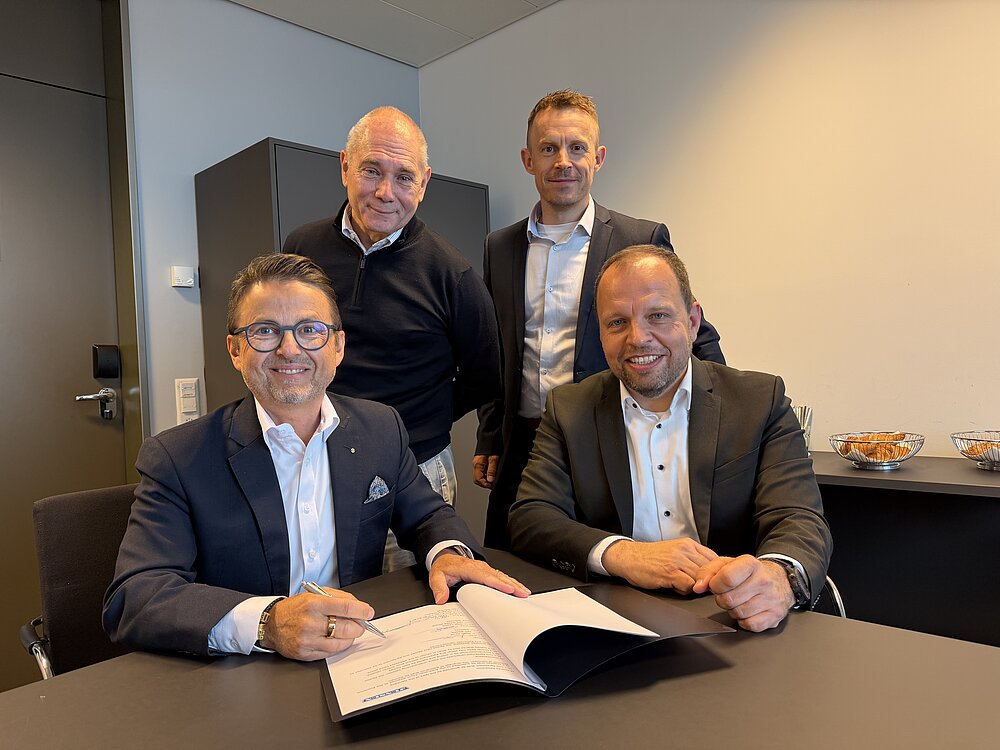
 5月5日より、プラハ近郊ストホフに拠点を置く新会社J4Bが、チェコ共和国およびスロバキアにおけるJENSEN-GROUPの正規ローカルパートナーとして活動を始めます。同社はOtto Burgerとその兄弟Jan Burgerによって運営され、両者は現地のランドリー市場に関する豊富な知識と強固な業界ネットワークを有しています。

