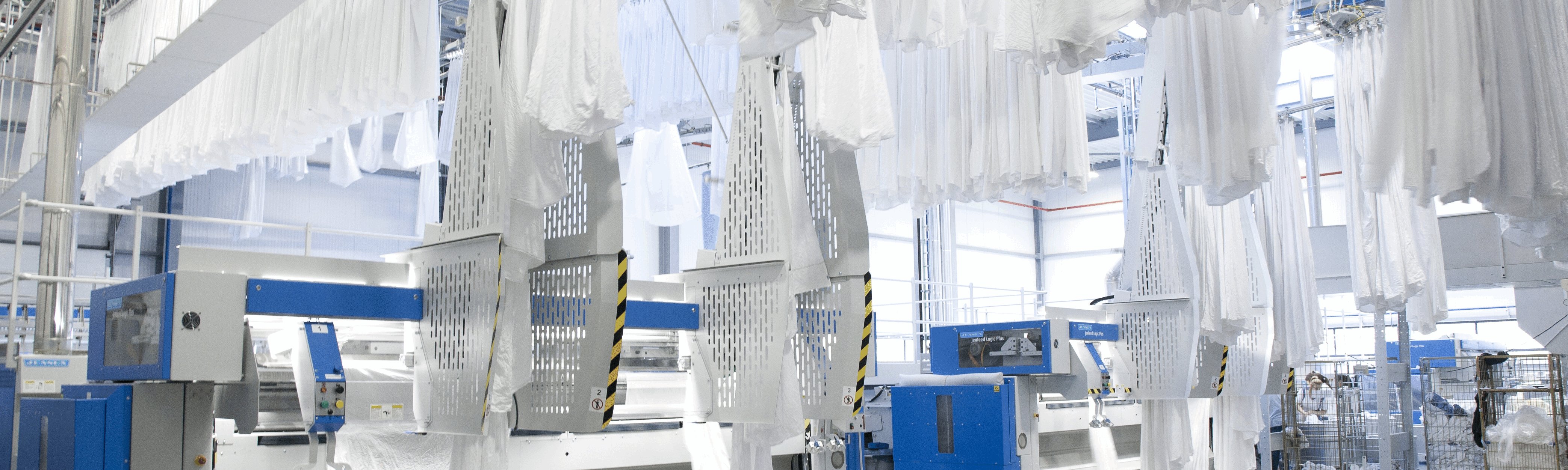
Double capacity per ironing line thanks to remote cornerless feeding of sheets into two lanes
Nyusu Inobeshon
In order to eliminate the risk of exposing operators in the laundries to germs from soiled hospital linen, the sorting of soiled hospital linen was prohibited in some countries decades ago. This spawned the post-sort operation requiring mixing goods to be washed together, then sorted. As a result, JENSEN invented the Jenrail conveyor system allowing operators to load unsorted, washed and clean flatwork into clamps in front of the feeder, and sort it into sorting lines before feeding it into the feeder via deloading stations.
Increased feeding capacity
As an added bonus of introducing sorting lines between the loading stations and the feeder, and thereby position the loading stations away from the feeder, it was possible to increase the number of loading stations, and thus the number of operators feeding linen into the system. As a result, the feeding capacity went up dramatically, which was putting a strain on the ironer line.
2000 pieces per hour
JENSEN responded to the challenge by changing the way of processing the flatwork in the ironer lines. Instead of running in 1-lane operation, which was the conventional way of operating the majority of ironer lines at that time, JENSEN introduced 2-lane operation. As a result, the capacity of one ironer line was theoretically doubled over night. In order to realize the higher capacity of the ironer line, the number of loading stations and thus the number of operators feeding flatwork into the system was increased from typically 3 or 4 persons to 5, 6, or sometimes even 7 operators. With 6 or 7 operators feeding 250-300 sheets per hour, the number of sheets being processed in the ironer line went up from typically 1000 single hospital sheets per hour to 2000 or more.
Reduced soil sorting and less idle time
With the Jenrail system’s capability of automatically sorting linens, the need for manual sorting could be reduced or eliminated.
Another advantage of the Jenrail system is the continuous feeding of sorted flatwork. Thanks to the automatic sorting according to linen type and size, the number of program changes can be reduced dramatically. By reducing the number of program changes, the idle time is reduced, thus increasing the total capacity as a result.
Furthermore, the buffer of ready linen reduces the number of micro stops by allowing operators to continue feeding linen into the buffer lines while e.g. waxing the ironer. Without the Jenrail system, the operators will have to wait for the waxing to be finished before they can carry on feeding the linen into the ironer.
Double storage capacity per rail meter
In order to optimize the storage capacity of the Jenrail conveyor system, JENSEN took a radical decision; instead of clipping two corners of linen into two single clamps, allowing to store 5 pieces of linen per rail meter only, JENSEN developed the unique Twin clamp allowing one clamp carriage to hold the two corners of linen side-by-side. In this way the storage capacity per rail meter is doubled. As an added bonus of using one clamp carriage per linen instead of two separate single clamps, the transportation through the Jenrail system is safer and simpler, as there is no risk of two corners of linen being separated in the switch tracks.
Spread the word…
Over time the advantages of the automatic sorting concept spread to the entire laundry industry, including the hospitality segment. Today the decentralized feeding concept is no longer used in the healthcare segment only. Laundries all over the world see the benefit of increasing the automation and thus the PPOH by automatically sorting the flatwork before feeding it into the ironer line.
Double PPOH by cornerless feeding
Also, within decentralized feeding, there is a continuous focus on increasing the PPOH. JENSEN has responded to the challenge by introducing cornerless feeding of sheets. Cornerless feeding doubles the capacity per operator hour from typically 250-300 pcs. to more than 500 pcs. per operator hour.
Several laundries around the world report production figures of 500 to 600 single hospital sheets per operator hour thanks to the cornerless feeding. As a result, we see production rates of up to 2,400 single hospital sheets per hour in 2 lanes, fed by only 4 operators, which is a world record in our industry.
In short, if you have any specific needs, we will gladly help you come up with the correct and most productive solution for your laundry.
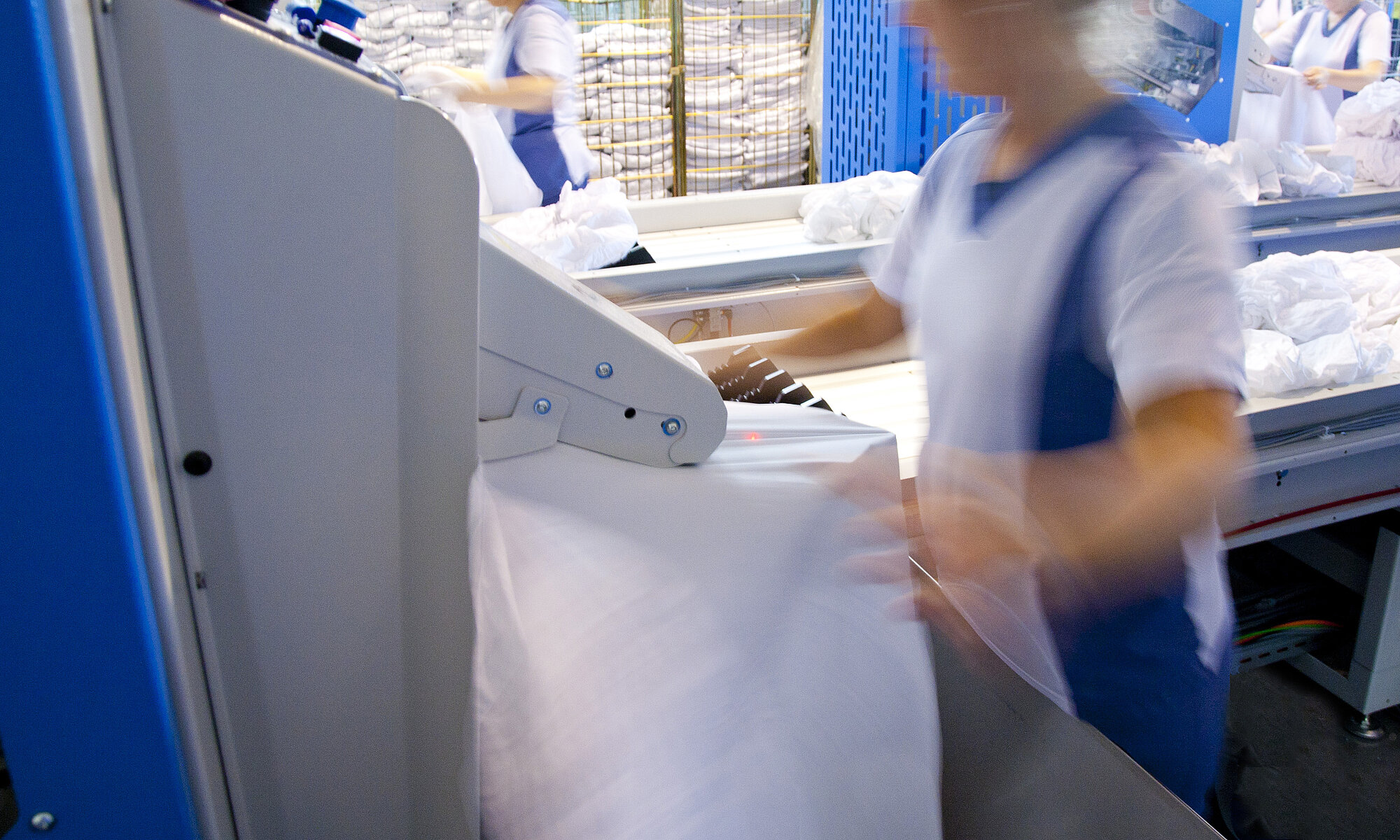
Double capacity per operator thanks to cornerless feeding
 8月 2026
 今回の完全子会社化は、産業用ランドリー業界におけるロボティクス、オートメーション、AIの発展を推進してきた両社の成功したパートナーシップにおける、新たな章の始まりとなります。
 8月 2026
 2026年上半期は、世界中のランドリー事業者がJENSEN-GROUPに寄せる変わらぬ信頼を改めて示す結果となりました。上半期の売上高は前年同期比20.2%増の3億1,620万ユーロとなりました。また、上半期の受注高は2億7,920万ユーロとなり、引き続き高い水準を維持しました。市場環境が一段と厳しさを増す中にあっても、生産性と競争力を高…
 7月 2026
 最先端のランドリーテクノロジー、継続的な設備投資、そして明確な将来ビジョンをもとに、オーストリア・チロル州の STIMPFL TEXTILE CARE GmbH…
 6月 2026
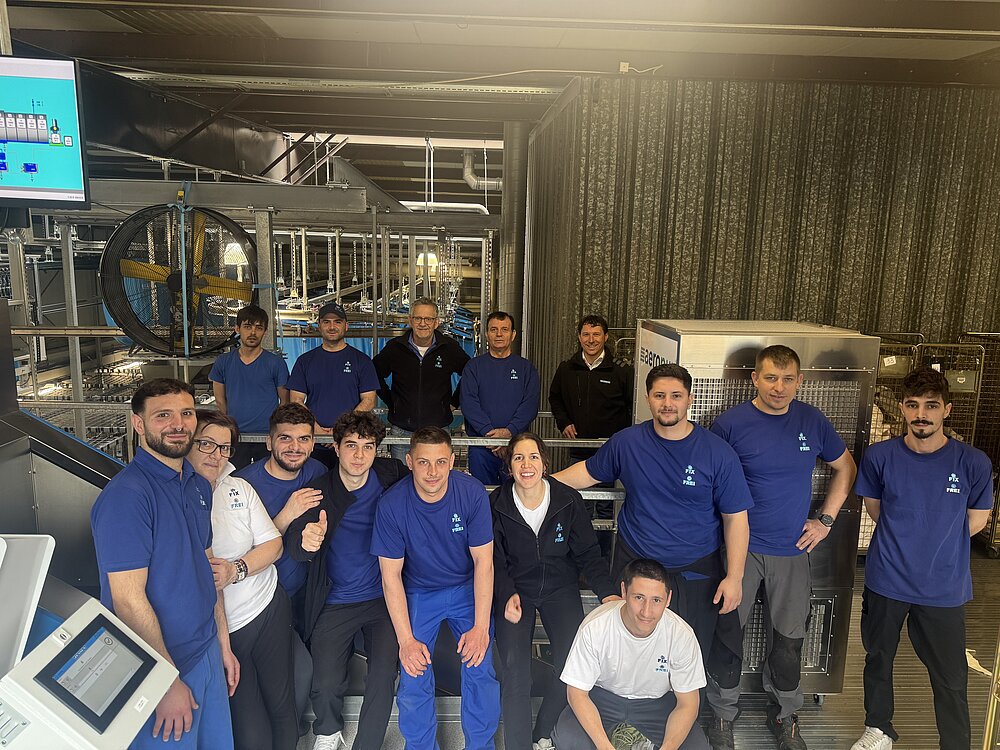
 リヒテンシュタイン公国の中心部、アルプスと国際的に結びついた経済圏の間に位置するBalzersのFIX AGは、WallisellenのTextil-Service FREI…
 6月 2026
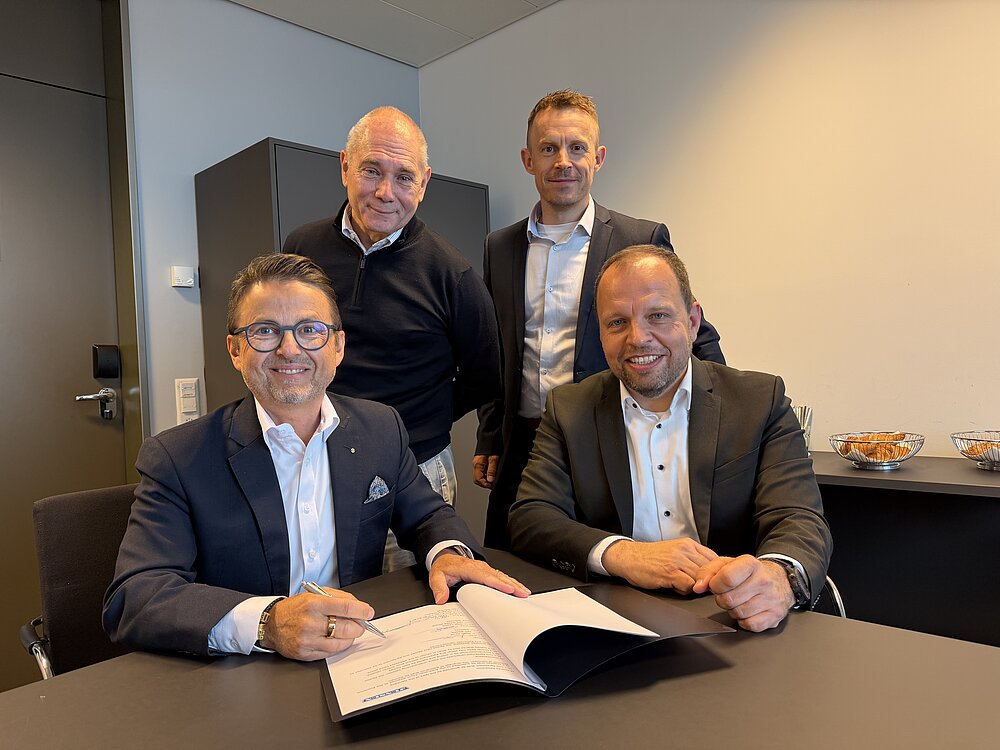
 5月5日より、プラハ近郊ストホフに拠点を置く新会社J4Bが、チェコ共和国およびスロバキアにおけるJENSEN-GROUPの正規ローカルパートナーとして活動を始めます。同社はOtto Burgerとその兄弟Jan Burgerによって運営され、両者は現地のランドリー市場に関する豊富な知識と強固な業界ネットワークを有しています。

