新闻与创新
Temperature plays a crucial part of the wash process. If appropriate temperatures are not reached, it could result in dirty or stained linen, or worse: improperly disinfected linen. With a current emphasis on safety and reduced contamination, it is no understatement to stress the importance of guaranteeing the correct temperatures throughout your wash cycle.
Temperature on the wash process
Increasing temperature increases the energy and movement of molecules in the wash process. This helps your wash process in several ways:
Temperature’s role in disinfection
Exposure to high temperatures is necessary to disinfect linen. By increasing temperature or increasing the exposure times to a high temperature, one can achieve higher levels of disinfection. An automatic monitoring of temperature and time in the main wash zone by means of an electronic thermometer measures the real liquor temperature on the last main washing compartment and transmits it by remote transmission to the control of the tunnel washer. In this way it can be checked whether a pre-defined temperature at the beginning of the main wash has also been maintained for a defined period of e.g. 10 minutes until the end of the main wash. Requirements for disinfection differ regionally, but for the minimum requirement to start the disinfection cycle the linen should reach 75°C (167°F) for 30 minutes or 80°C (176°F) for 10 minutes.
Actual temperature vs setting temperature
The difference in temperature between the PLC setting and the actual temperature of the linen is common, and without testing equipment it is very difficult to test the temperature of linen inside a drum.
Hot water will naturally cool down until it reaches the surrounding temperature. This happens in a cup of hot water as well as in your main wash section of your tunnel washer. Different kinds of insulation around the inner drum will also have different insulating results. In colder months, the surrounding temperature is colder and can have a greater effect on the temperature decrease.
It is also important to remember, as hot water comes in contact with pipes, machine, and linen, it cools down too. The PLC is reporting the temperature of the sensor on the tunnel drum, it is not giving a reading of the actual temperature of the linen inside the tunnel—and this is the only thing that matters for disinfection.
JENSEN tunnel washers offer a quick and even distribution of the steam/heat into the batch, which is only possible thanks to specially developed steam injectors. This process is much more efficient than machines that heat the water underneath the drum. Only heating the water under the drum can lead to uneven or falling temperature curves as the hot water mixes with cold linen. It can also lead to significant temperature discrepancies between the linen at the center and the PLC, as the PLC thermometer only reports the water temperature on the outside of the drum.
Test your temperature
It is crucially important to guarantee two things: first, that the linen reaches the required temperature, and second, that it maintains that temperature for the required time. This should be the most basic quality standard for all laundries, especially during this time, and the only way to really guarantee this is to test.
How to test?
There are many RFID temperature testing devices in the market. The device can be washed together with the linen, and thus more accurately records the temperature of the linen. It records a temperature reading every ten seconds. Running the test a few times in your tunnel washer can help you determine the temperature behavior of your tunnel and any difference between the linen and PLC temperatures. For maximum quality control, this test can be conducted seasonally.
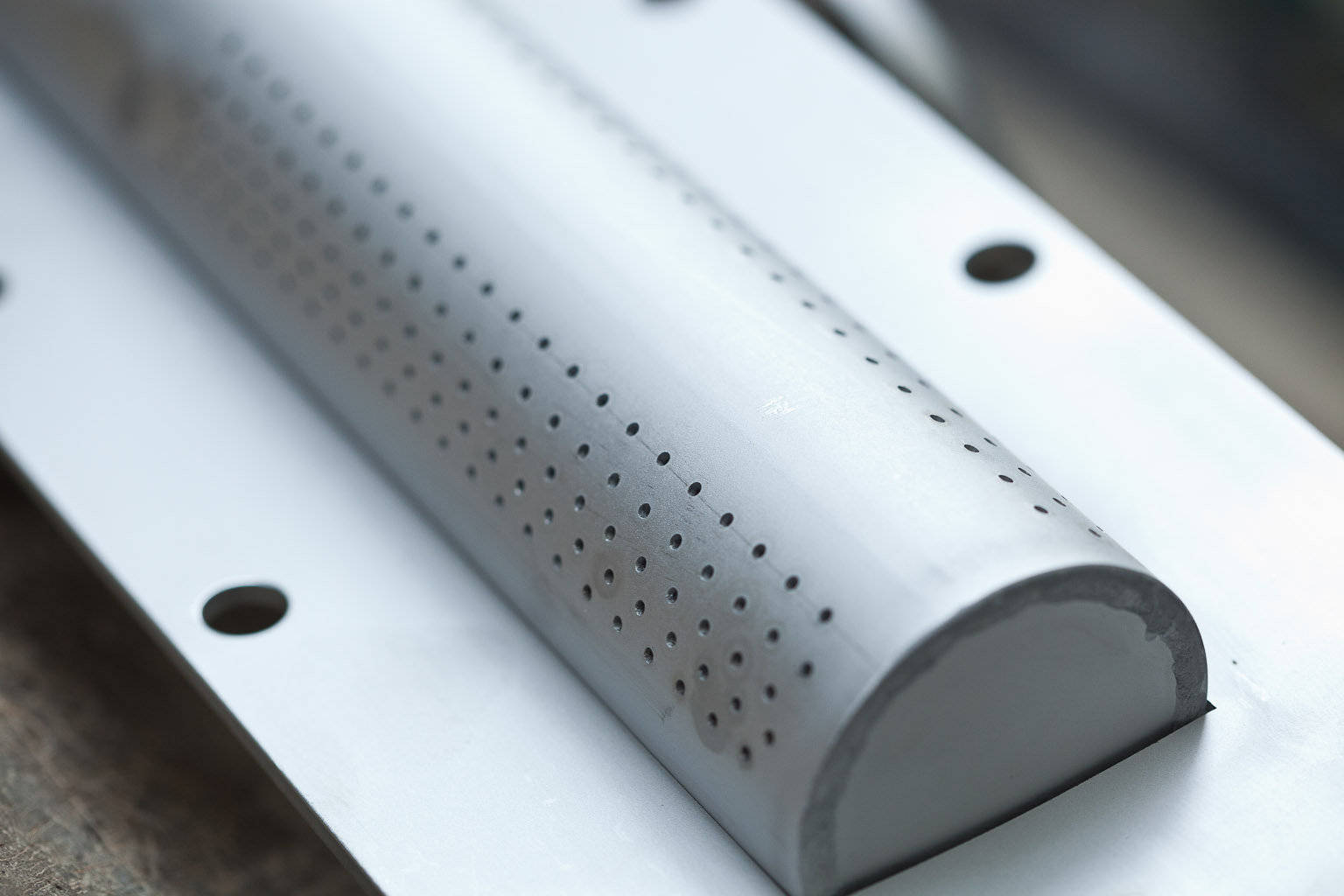
JENSEN Tunnel washers offer quick and even distribution of the steam/heat into the batch, which is only possible thanks to specially developed steam injectors.
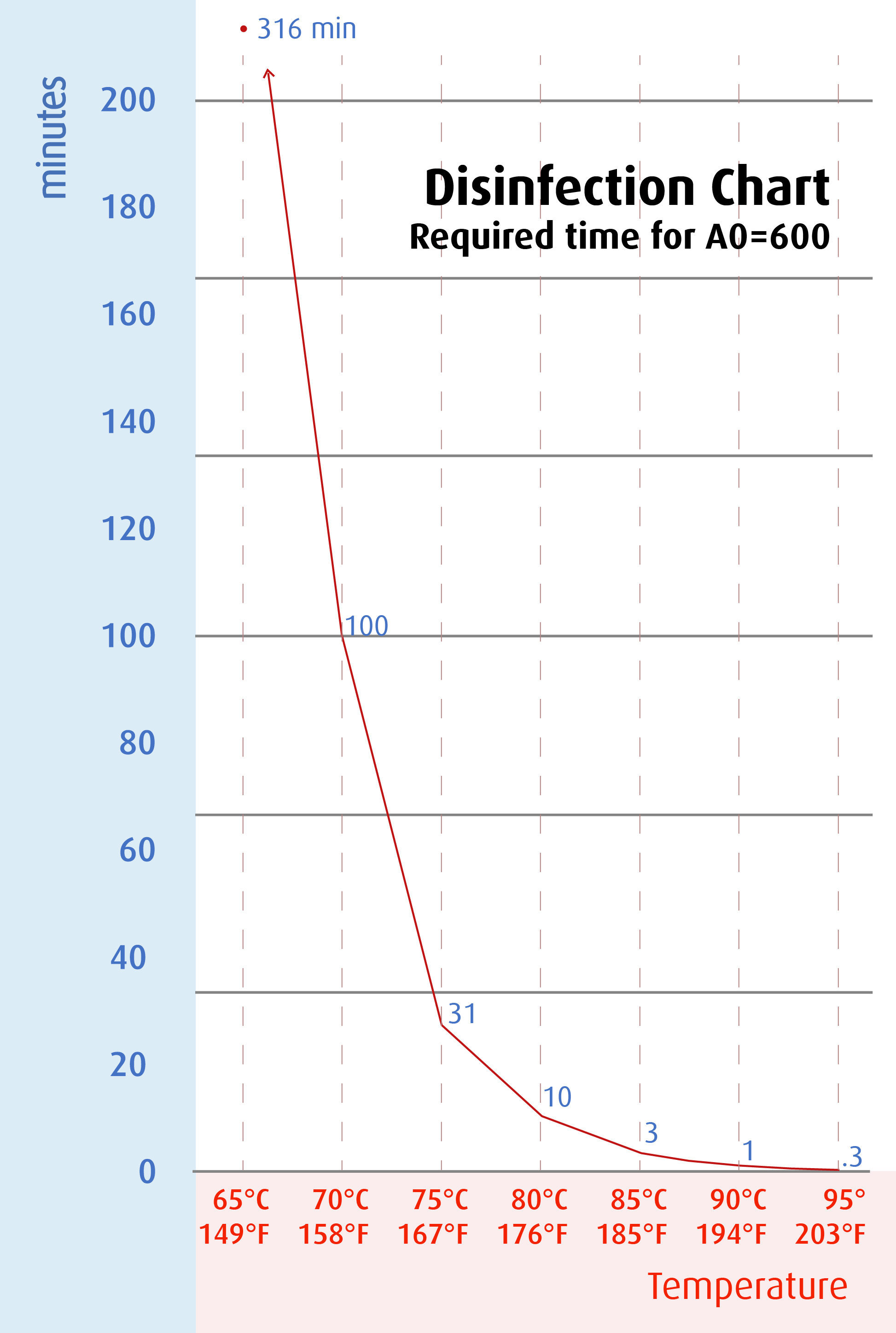
The A0 value represents a certain disinfection achieved by a specified temperature. A0 = 600 is stipulated as the minimum requirement for the disinfection cycle.
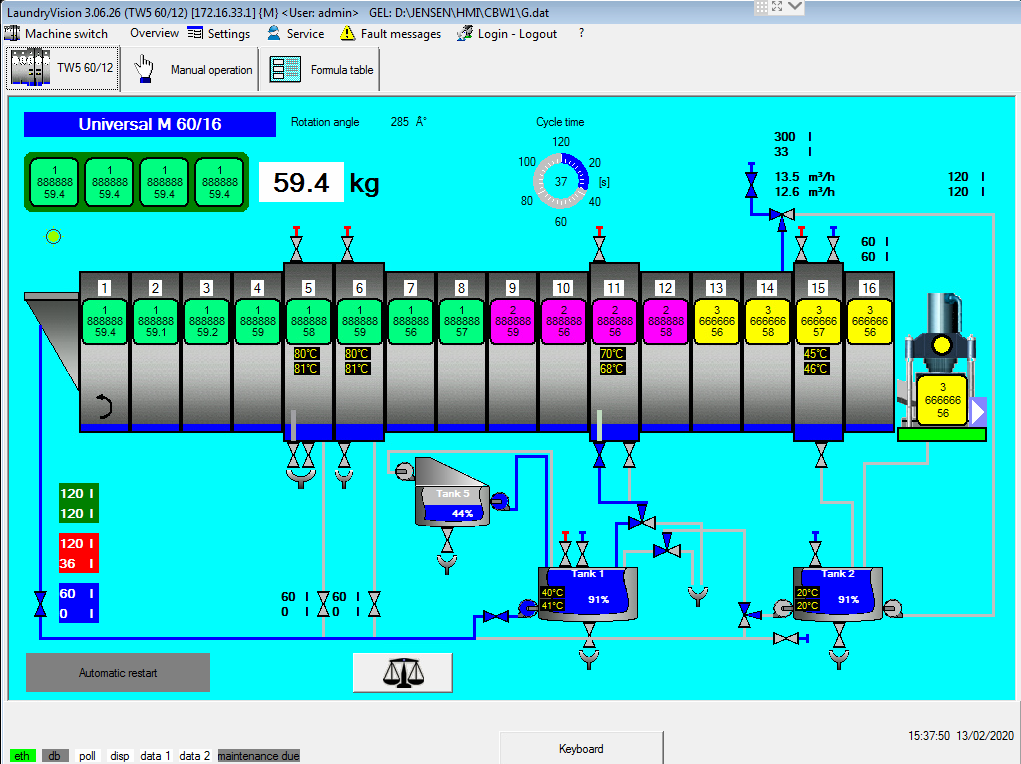
The PLC on JENSEN tunnel washers – these machines have earned a name for delivering high quality and high consistency in wash results.
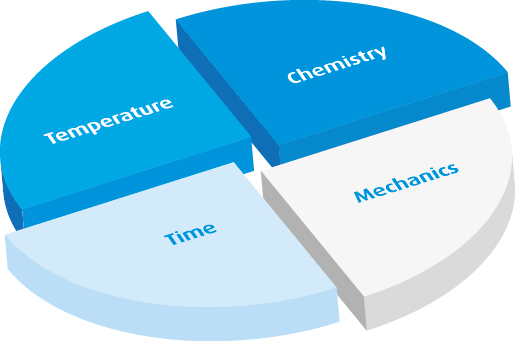
The Sinner Circle illustrates the 4 main components that effect wash quality: Mechanical Action, Chemicals, Time and Temperature. As an integral part of the wash process, the importance of temperature cannot be ignored.
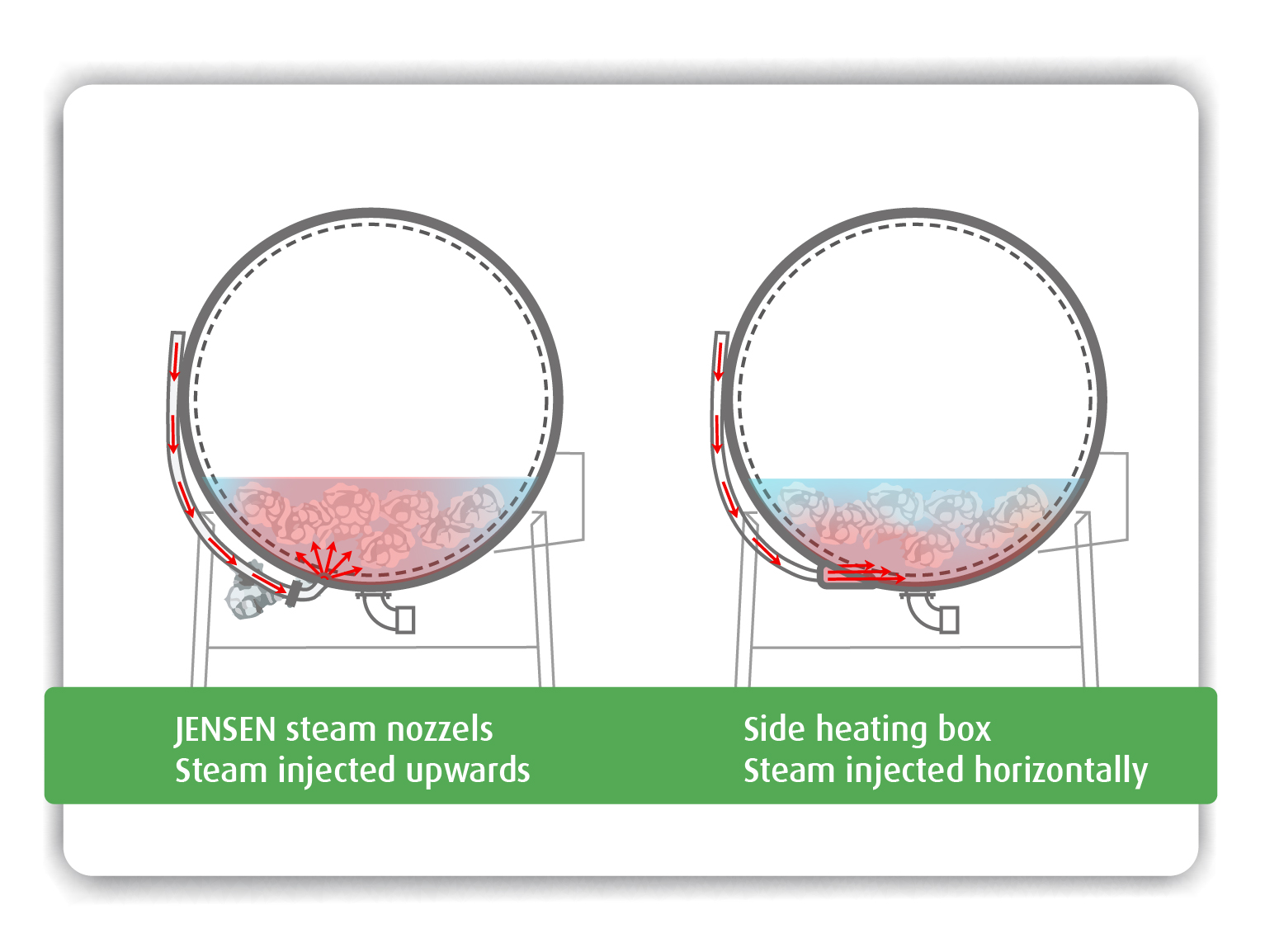
JENSEN tunnel washers inject steam upwards directly into the drum compartment.
 二月 2026
 在本期 Espresso Insights 中,我们与Scarlet Janssens 进行了简短交流,探讨了在 JENSEN-GROUP 财务团队工作的独特之处、当今投资者最看重 JENSEN 的哪些方面,以及资金管理如何支持公司的长期创新与增长目标。
一月 2026 在本期Espresso Insights中,我们与Jesper Hansen展开简短访谈,共同探讨JENSEN-GROUP如何为工业洗涤行业客户提供卓越服务、数字化工具所发挥的作用,以及集团如何应对未来技能人才短缺的挑战。
 十二月 2025
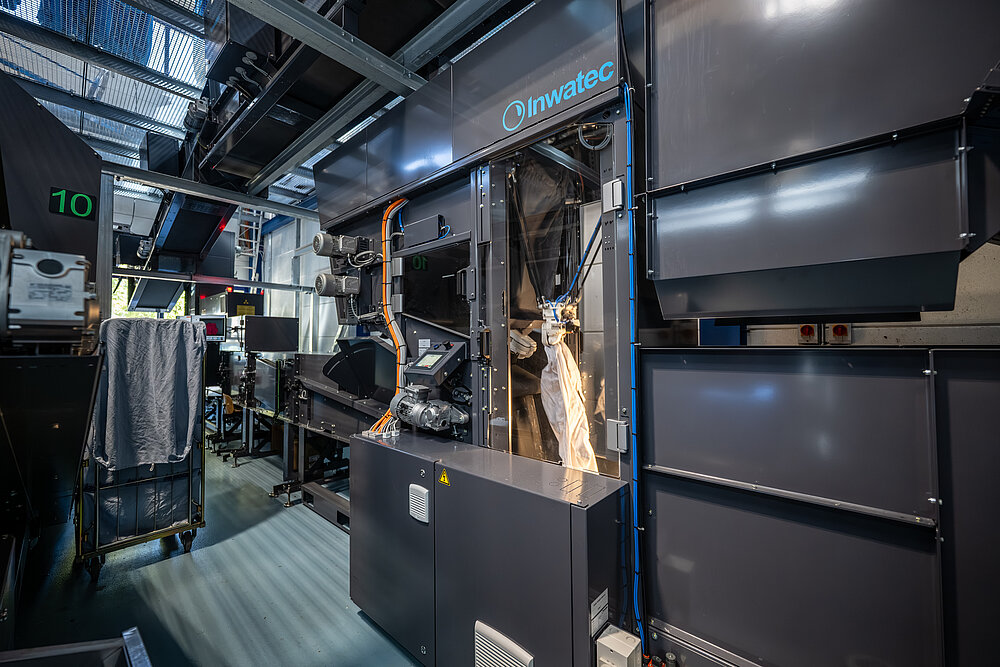
 对于工业洗涤厂而言,招聘并留住技术人才始终是一项持续的挑战。自动化的重要性日益凸显 —— 它既能确保稳定的生产效率,又能提升卫生标准、工作场所安全性及分拣准确率。为长期实现这些目标,bardusch依托合作伙伴Inwatec 提供的智能自动化解决方案。Inwatec 在脏衣分拣领域拥有十余年经验,全球已安装系统超170…
 十二月 2025
 JENSEN North America, a subsidiary of the JENSEN-GROUP, is pleased to announce the acquisition of the business of G.A. Braun. This strategic move marks a significant…
十一月 2025 可持续发展是JENSEN-GROUP创新的核心驱动力。我们与集团企业可持续发展负责人Carmela Crippa展开对话,深入探寻公司如何将气候行动与先进洗涤自动化技术相结合,揭秘JENSEN是如何通过远大目标与责任文化,推动行业迈向更绿色的未来。

