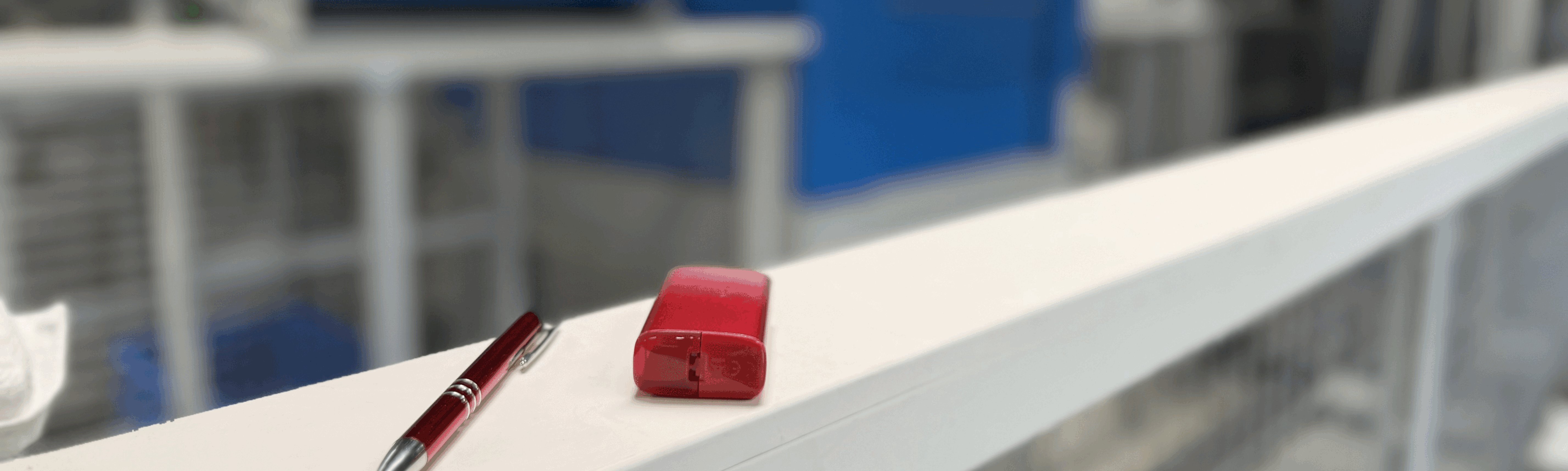
Foreign objects such as ballpoint pens can damage textiles and equipment. E-vapes present an additional risk because their batteries can become a source of ignition.
News & Innovations
Fire is one of the risks that laundry managers think about often and talk about rarely. Industrial laundries bring together heat, textiles, lint and long operating hours. Everyone in the industry knows of a laundry that has lost production time, part of its building or even a customer contract because of a fire.
We build laundry equipment, but we are not fire protection specialists. Overall responsibility for fire safety lies with the laundry operator and is shaped by national legislation, insurance requirements and the daily routines of the team working in the laundry. Our contribution is to design, monitor and service machines in ways that reduce potential sources of ignition and limit the consequences if something does go wrong. Effective fire prevention therefore depends on everyone doing their part: the laundry operator, the authorities, the insurer, the equipment supplier and the people operating and maintaining the equipment.
Over the years, we have identified several areas in which a machine manufacturer can make a meaningful contribution.
The best fire prevention starts before the first wash
Many potential fire hazards enter a laundry with the soiled goods. Vapes, lithium batteries, lighters and other foreign objects may pass through sorting and washing before reaching a dryer. Identifying them at the earliest possible stage is therefore an important part of fire prevention.
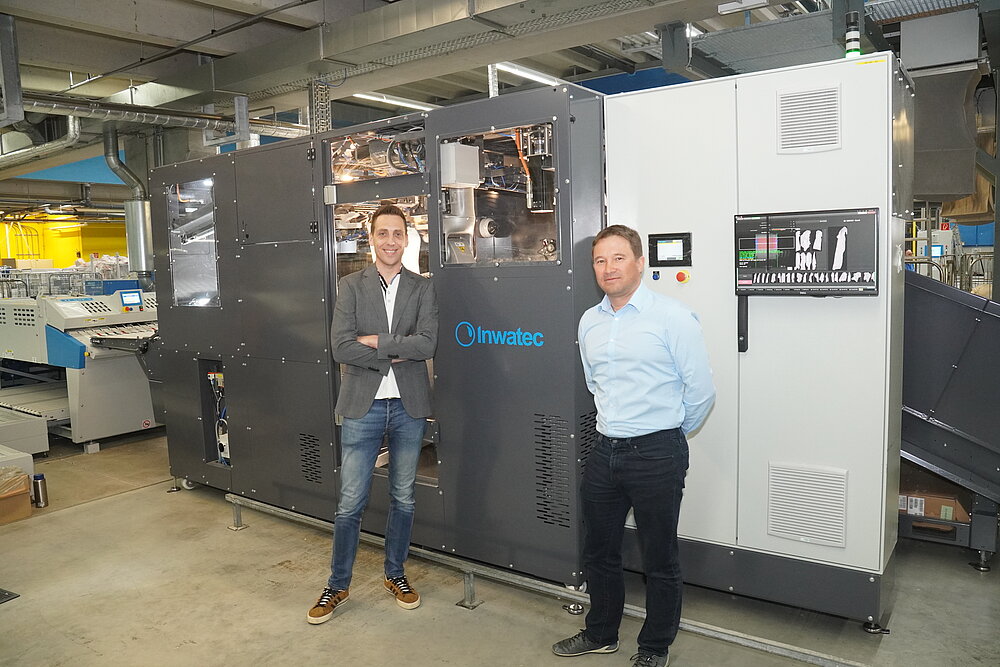
Automated soil sorting with smart X-ray-based detection can help identify foreign objects before they continue further into the process. At the same time, the team working at manual sorting stations needs to know what to look for and how to respond. Removing a potential hazard at the beginning of the process is far easier than controlling it later.
The washing process also plays an important role, particularly when textiles contain oil or grease residues from industrial customers, kitchens or spa facilities. Thorough wetting in the pre-wash zone, supported by solutions such as QuickSoak in the first compartment, can help prevent these residues from becoming concentrated in the textile. The rinsing process must then remove the remaining residues effectively before the goods proceed to drying.
Depending on the application and the risk assessment, tunnel washers can also be equipped with explosion-protected components to reduce the risk of ignition caused by sparking.
How machines can help prevent overheating
The machine itself is the second area where a manufacturer can contribute.
In dryers, infrared control can be used to monitor the goods and help prevent overheating. A sprinkler system installed inside the dryer can reduce the risk of a potential fire directly in the drum before it spreads to other parts of the machine. With its own power supply, such a system can remain operational even when the dryer has been switched off.
As with all safety-related equipment, the design and construction of the machine must comply with applicable legislation and relevant safety standard, e.g. with non-combustible insulation material. The same type of protection is also available for the Omega tunnel finisher, depending on the configuration.
When the dryer stops, prevention continues
Controlled cool-down phases are important as well. Linen that leaves a dryer too warm can continue to heat up in a trolley or bag, particularly when it contains residues of oil or fat. Residual moisture control supports the same objective.
When dried laundry is compressed, the temperature at the centre of the load can increase. An infrared sensor positioned between the dryer and the laundry bag can help monitor this temperature before the goods leave the machine.
Good housekeeping also starts with the design. Lint and fibre deposits are well-known potential sources of ignition. Filters, cleaning points and inspection areas therefore need to be easy to access. A cleaning task that is difficult or time-consuming will eventually be neglected.
The same principle applies to wear parts. Worn bearings, slipping belts and other mechanical defects can generate friction heat. Thermal protection and accessible maintenance points are therefore safety features as well as service considerations.
Why maintenance is part of fire prevention
A maintenance contract is often viewed primarily as a measure to protect availability. It also contributes to fire prevention. Defined cleaning intervals, documented inspections and suitable spare parts help keep equipment in the condition intended by the manufacturer. They also provide the laundry and its insurer with evidence that relevant safety measures are being maintained.
Digital tools add another layer of protection. Machines that report temperatures, running times and deviations can help a laundry identify changes before they become more serious. A dryer that gradually needs longer to process the same batch may be indicating a problem with airflow, heating, sensors or another component.
Machine data cannot replace inspections or the judgement of experienced operators. It can, however, help teams recognise when a process is beginning to deviate from normal operating conditions.
What should be decided before commissioning?
Some of the most valuable fire prevention measures are decided long before the first wash cycle. The layout of the plant, air ducting, distances between machines, access for cleaning and maintenance, and the position of fire compartments all form part of the project planning. These decisions influence both fire safety and the reliability of the process.
It is also worth involving the insurer and other relevant specialists at an early stage. Their requirements may affect the choice and positioning of equipment, fire protection systems and building measures.
After commissioning, operator training and clear instructions are essential. A well-trained team that understands why a filter must be cleaned every shift can be more effective than any additional sensor. Fire prevention is not a single technical feature. It is a combination of suitable equipment, sound procedures, regular maintenance and attentive daily operation.
Fire safety is everyone’s responsibility
Fire safety is part of responsible equipment development. It is reflected in the way machines are designed, monitored and serviced, and in the expertise available within our engineering, service and health and safety teams.
At the same time, we do not claim to provide the complete answer to fire protection in a laundry. The overall responsibility remains with the laundry operator, in accordance with applicable legislation, insurance requirements and local risk assessments.
Our responsibility is to contribute our part: to reduce avoidable sources of heat and ignition, to make cleaning and maintenance practical, and to provide machines that help operators identify abnormal conditions at an early stage.
If you would like to discuss fire prevention in your own plant, please contact your JENSEN representative. We are happy to involve the relevant engineering and service specialists in the conversation.
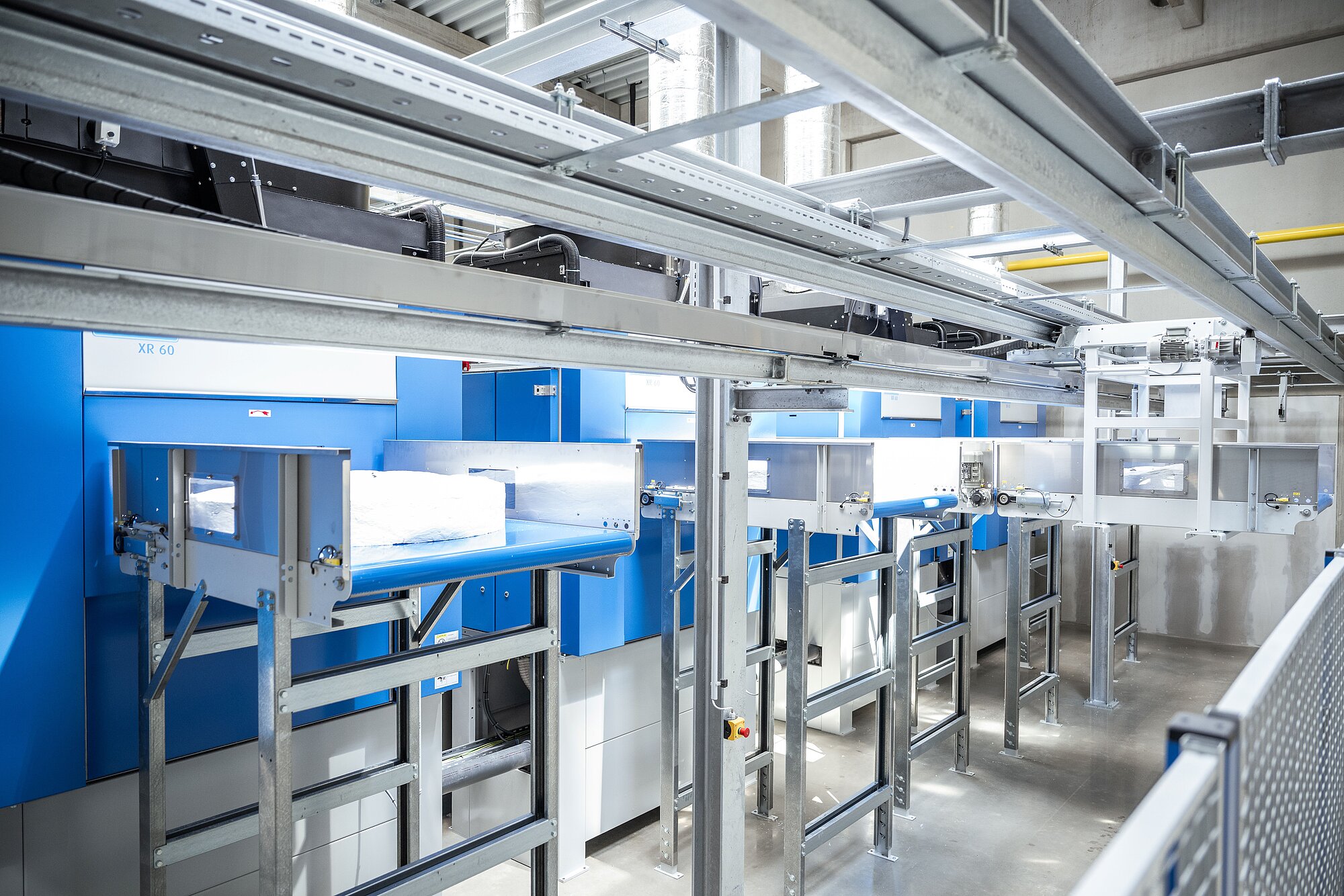
Drying requires heat. Fire prevention begins with controlling it.
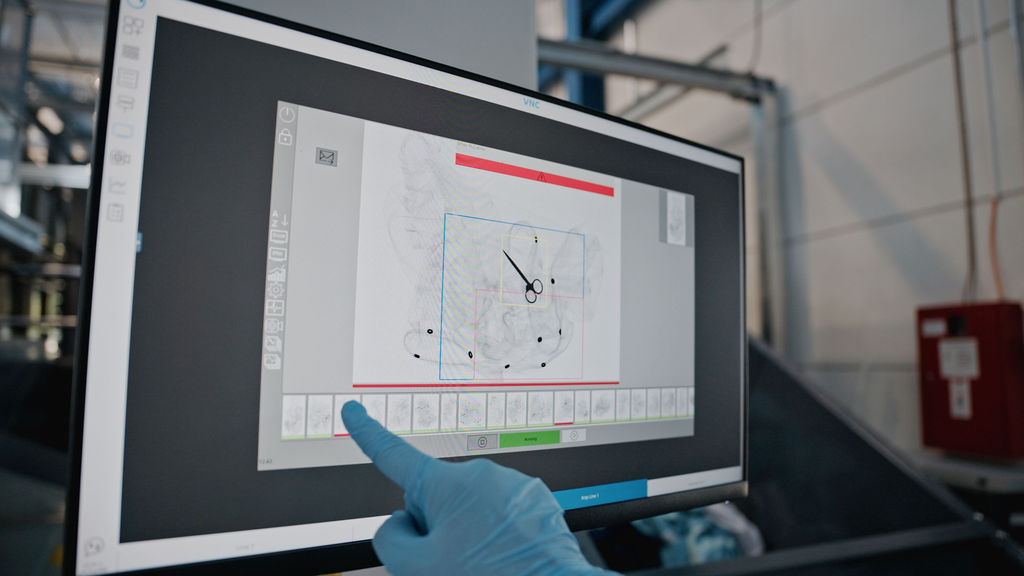
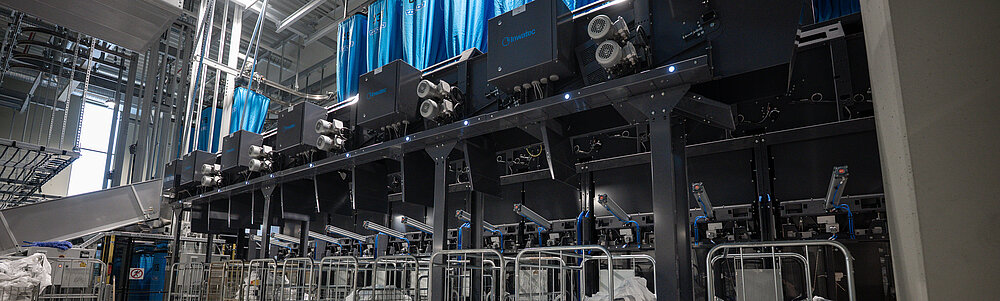
The ODIN.Xray scanner uses artificial intelligence to identify and reject foreign objects before they enter the washing process. With over 10 years of experience in AI technology, we have been developing and refining intelligent solutions while others are still sorting it out.
 August 2026
 Full ownership marks the next chapter in a successful partnership that has helped advance robotics, automation and AI in the industrial laundry industry.
 August 2026
 The first half of 2026 reflects the continued confidence that laundries around the world place in the JENSEN-GROUP: Our revenue for the first half year increased by…
 July 2026
 With state-of-the-art laundry technology, continuous investments, and a clear vision for the future, STIMPFL TEXTILE CARE GmbH in Tyrol is consistently driving its…
 June 2026
 In the heart of the Principality of Liechtenstein, nestled between the Alps and internationally connected economic regions, FIX AG in Balzers, together with…
 June 2026
 As of May 5, the newly founded company J4B, based in Stochov near Prague, will represent JENSEN in the Czech Republic and Slovakia as authorised local partner. The…

